
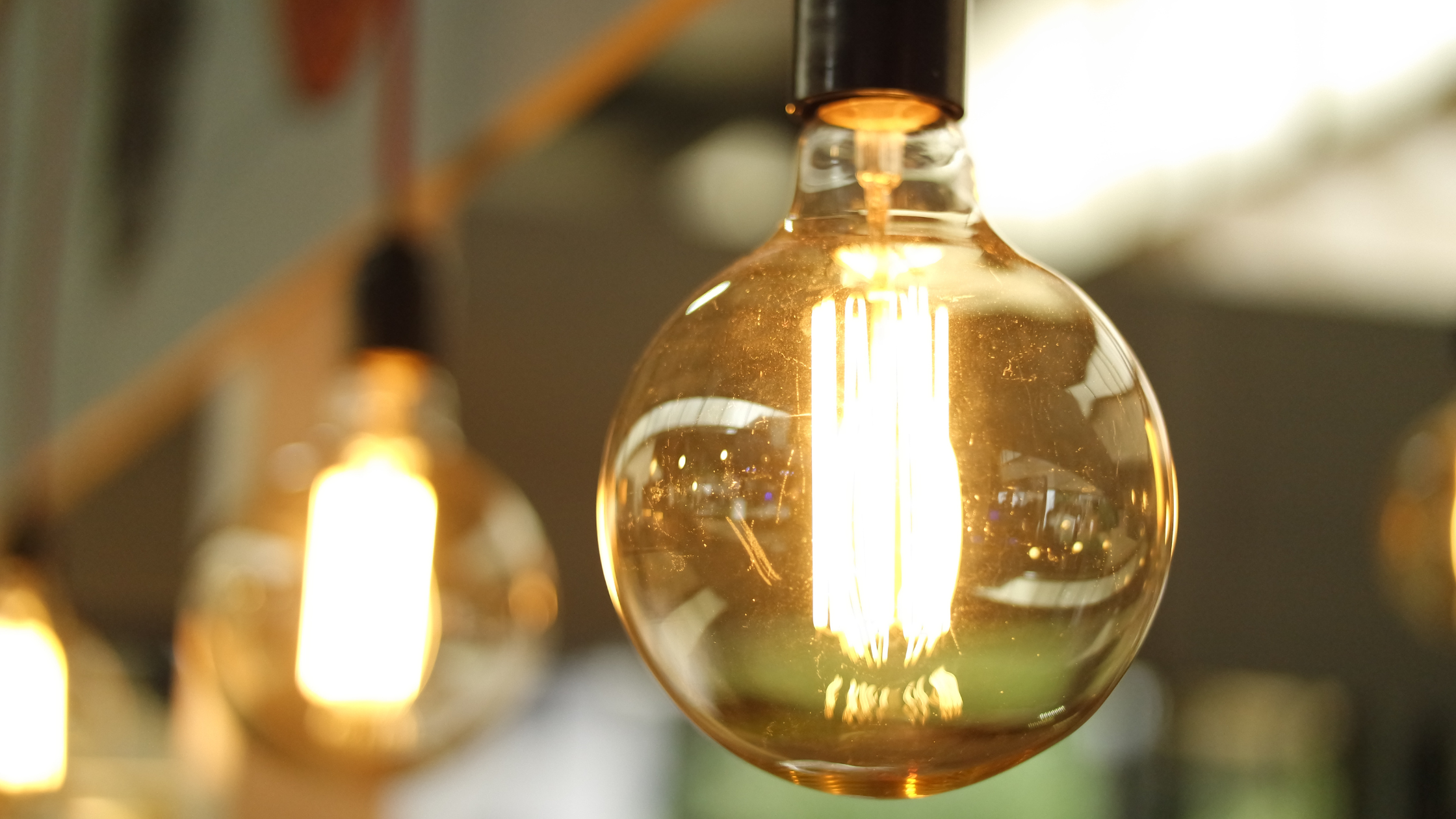
In today’s world, light surrounds us 24/7 — from LED bulbs in our homes to screens in our pockets. While artificial light helps us work, socialize, and live after sunset, it also interacts with our biology in deep ways that most of us don’t fully understand. At Light and Leaf, we believe that your environment — including light exposure — is a foundational part of wellness and that is why we must discuss artificial light dangers.
Here’s what you need to know about artificial light, how it impacts your body, and practical steps for balancing your light environment for better sleep, mood, and metabolic health.
Natural Light vs. Artificial Light: Why It Matters
Your body evolved on a consistent cycle of light during the day and darkness at night. This day‑night rhythm, called the circadian rhythm, helps regulate sleep, hormones, metabolism, mood, and more.
When you’re exposed to natural light in the morning and throughout the day, your internal clock receives cues that it’s daytime — helping you stay alert, balanced, and in sync. But artificial light, especially at night, can confuse that system.
How Artificial Light Disrupts Your Internal Clock
🔹 Suppresses Melatonin Production
Light — particularly in the blue spectrum — signals to the brain that it’s daytime, which lowers melatonin, the hormone your body uses to prepare for sleep.
🔹 Alters Circadian Timing
Light exposure at night can shift your biological clock, making it harder to fall asleep and stay asleep, leading to later bedtimes and fragmented rest.
🔹 Impacts Hormones & Metabolism
Chronic misalignment of circadian rhythms has been linked to changes in metabolic regulation, insulin sensitivity, and cortisol patterns — influencing body weight, energy, and stress response.
🔹 Affects Mood & Cognitive Function
Disrupted sleep and circadian rhythm can increase fatigue, irritability, and risk of mood challenges like depression and anxiety.
Why Evening Light Exposure Is a Problem
Even dim light at night — like hallway lights, nightlights, or screen glow — can suppress sleep hormones and cause your internal clock to misfire. Studies show that light exposure at night is associated with:
- Poorer sleep onset and quality
- Increased risk of metabolic and cardiovascular issues
- Disrupted energy regulation and hormonal balance
This is why minimizing light in the hours before bedtime can make a big difference in how refreshed you feel the next day.
Screens, LEDs, and Blue Light
Devices like phones, tablets, and computers emit blue‑rich light, which is especially effective at signaling wakefulness to the brain.
Blue light is useful during the day — it enhances alertness and mood — but at night, it can delay sleep onset and decrease sleep efficiency.
Practical strategies include:
✔️ Dim lights 2–3 hours before bed
✔️ Use blue‑light filters on devices
✔️ Put screens away an hour before bedtime
✔️ Choose warm‑tone bulbs in evening spaces
How to Harmonize Your Light Environment
☀️ 1. Prioritize Morning Sunlight
Getting sunlight early in the day helps anchor your internal clock and supports alertness and mood.
💡 2. Use Lighting Strategically
Daytime — brighter, higher‑intensity light
Evening — warmer and dimmer lighting
🛏️ 3. Create a Dark Sleep Space
Aim for minimal light while sleeping — blackout curtains, low‑light bulbs only if necessary, and turning off screens.
👓 4. Consider Blue Light Blockers
Wearing blue light–blocking glasses in the evening can help preserve natural melatonin release.
Light and Leaf Takeaway
Light isn’t just a convenience — it’s a biological signal your body interprets every day. Understanding the effects of artificial light and crafting a light environment that works with your circadian rhythm can improve sleep quality, hormone balance, mood, and overall health.
Your wellness is not only about what you eat or how you move — it’s also about when and how you let light into your life.
Sleep and energy issues are often environmental – no personal failures. Get personalized circadian support with Light & Leaf Wellness by scheduling an online appointment here.
References & Further Reading
Sleep Foundation – Light & Sleep: Effects on Sleep Quality
https://www.sleepfoundation.org/bedroom-environment/light-and-sleep Sleep Foundation
PubMed – Association between light at night, melatonin secretion, sleep deprivation, and circadian disruption
https://pubmed.ncbi.nlm.nih.gov/28214594/ PubMed
SleepAdvisor.org – Effect of Lights on Sleep Quality
https://www.sleepadvisor.org/light-and-sleep/ sleepadvisor.org
Sleep Foundation – Sleeping With the Lights On
https://www.sleepfoundation.org/bedroom-environment/sleeping-with-the-lights-on Sleep Foundation
Naturimedica – Artificial Light vs. Sunlight: Hidden Impact on Health
https://www.naturimedica.com/artificial-light-vs-sunlight-the-hidden-impact-on-your-health/
Leave a Reply